Rhythm Research
Free Rhythm Masterclass Summer 2026

What is my Rhythm Research?
My work explores rhythm through the lens of Indian Classical Music, using its highly developed rhythmic system to better understand, feel, and teach rhythm in Western music.
Indian Classical Music has precise way of thinking about time — particularly around subdivision, proportional relationships, metric modulation, and structured improvisation. These ideas offer a rich vocabulary for concepts like pulse hierarchy, rhythmic permutation, displacement, and cadential phrases that are underdeveloped in much of Western music. By bringing these tools into conversation with Western repertoire and practice, I'm working to build a cross-cultural framework that opens up new ways of thinking about meter and phrasing for musicians.
A key part of this work is developing a practical method for Western musicians to internalize rhythm through the voice. Much of the world’s musical practices use vocal syllables as a primary tool for teaching and feeling rhythmic structure as well as llearning repertoire. Adapting this approach - primarily using South Indian sollkattu - for Western contexts offers musicians a more embodied, immediate way to engage with complex rhythmic ideas before ever touching their instrument.
This isn’t about blending traditions, or even about learning traditional Indian Classical Music. It's about what we can learn from rhythmic masters across the globe, utilizing one of the world's most sophisticated rhythmic systems as an analytical tool that can sharpen how we think about, teach, and physically experience rhythm in Western music.

Rhythm Workshops
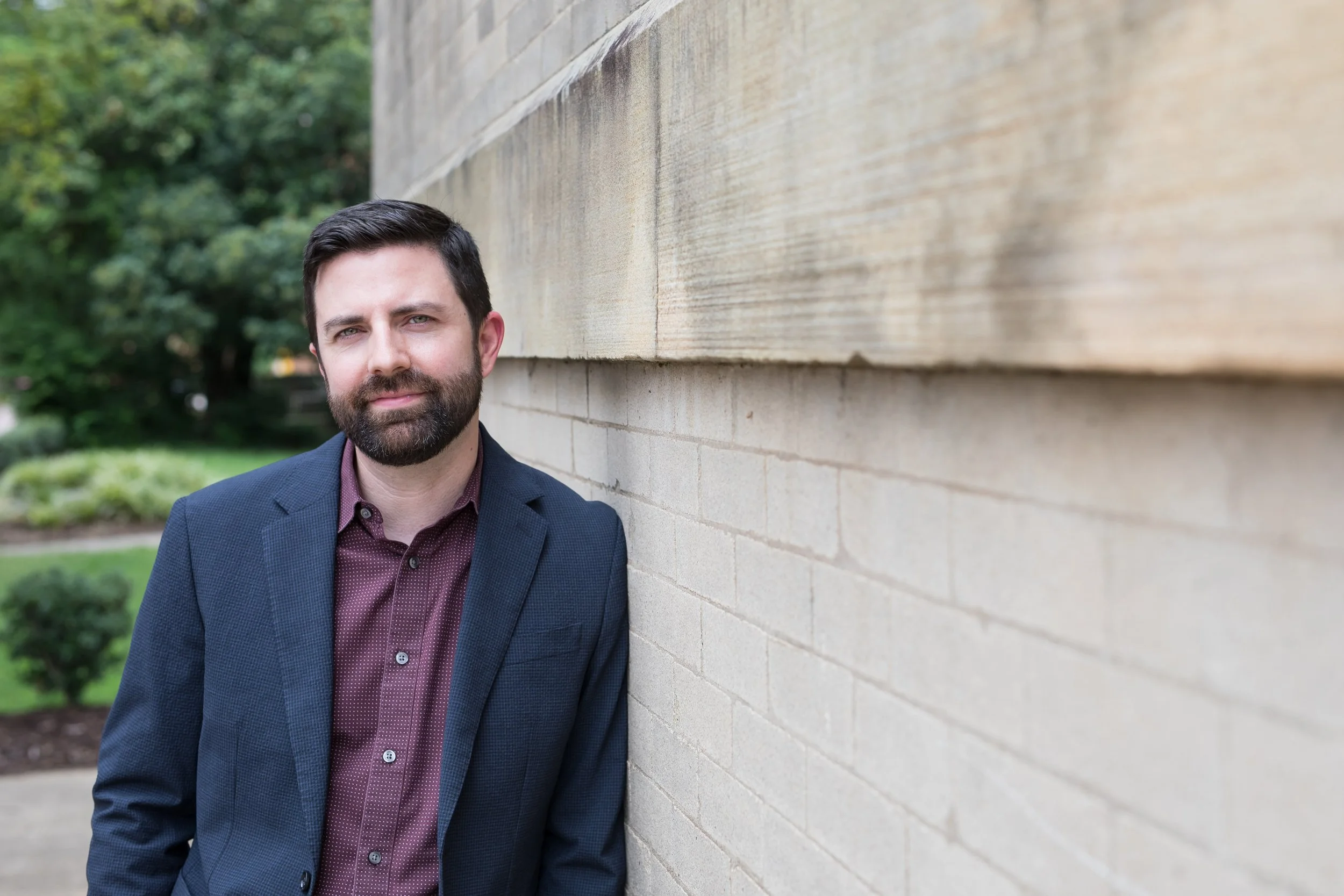
I enjoy working with students and professionals with a wide variety of backgrounds, and my Rhythm Workshops are designed to speak directly to musicians in specific contexts. We will learn and use the South Indian Carnatic rhythmic system as a guide to help us develop a deeper, more musical relationship with time. We’ll sing and feel complex subdivisions, mixed meters, and polyrhythms — building a stronger internal pulse and greater rhythmic flexibility. Drawing on contemporary classical music, improvisation, and groove-based traditions, these workshops expand our rhythmic vocabulary and help us find connections across global rhythmic practices.
-
Learn to sing rhythm musically and dynamically using rhythmic language of Indian Classical Music. We'll cover keeping time in various meters, vocal syllables for subdivisions and groupings of 3 through 7, and developing an intuitive feel for mixed meter and polyrhythm — making complex rhythmic ideas musical rather than mathematical.
-
Using 20th and 21st century music as our entry point, this workshop takes a deeper look at the Indian rhythmic system and what it can offer Western musicians. We'll explore how its tools and concepts can bring a more intuitive, embodied approach to the music of Ligeti, Xenakis, Stravinsky, Messiaen, and beyond.
-
Indian Classical Music has had a long and lasting influence on Jazz in the West. In this workshop, we'll explore how to groove freely in mixed meter, draw on Indian Classical rhythmic forms to expand our rhythmic vocabulary and ideas, and dig into West African polyrhythmic drumming patterns — the rhythmic foundation at the heart of American Jazz.
Featured Blogs